How to Choose Antioxidant Supplements: Start with Your Genetic Tendencies
When choosing antioxidant supplements, start with your everyday diet, where each ingredient sits within a formula, and your genetic tendencies—not just popular ingredients. How much of a nutrient each person gets from meals, and how much the body can use, naturally differs. This article helps you approach antioxidant nutrition with clearer direction, explains terms such as glutathione and carotenoids, and shows how BLNC selects the formulas worth prioritizing among your monthly formulas.

When choosing antioxidant supplements, start with your everyday diet, where each ingredient sits within a formula, and your genetic tendencies—not just popular ingredients. How much of a nutrient each person gets from meals, and how much the body can use, naturally differs. This article helps you approach antioxidant nutrition with clearer direction, explains terms such as glutathione and carotenoids, and shows how BLNC selects the formulas worth prioritizing among your monthly formulas.
What This Article Covers
- What should you consider first when choosing antioxidant supplements?
- Are more antioxidant supplements really better?
- Are genes alone enough to understand antioxidant tendencies?
- What should you eat for everyday antioxidant nutrition?
- Once you know your genetic tendencies, how does BLNC rank priorities?
- If a report highlights a nutritional tendency, what comes next?
- Frequently Asked Questions (FAQ)
- If my genes suggest that a nutrient-metabolism area needs attention, does that mean I am likely to become ill or develop cancer?
- Are more antioxidant supplements better?
- How should I evaluate glutathione recommendations if the body already manages oxidative stress?
What should you consider first when choosing antioxidant supplements?
If you search for antioxidant supplements and then encounter phrases such as “cancer risk genes,” you probably want to do something more for yourself. First separate the roles: disease risk belongs in medical evaluation, while everyday nutrition addresses something else. The body manages oxidative stress every day, and establishing the nutrients used in that process is the part you can realistically address now.
The problem is that many people collect bottles but cannot say whether they have addressed anything. The difference often lies not in how many products they bought, but in whether they filled their own nutritional gap.

Two Layers of Genetic Tendencies Enter the Algorithm
Are more antioxidant supplements really better?
You may have bought vitamins C or E or tried several recommended bottles without being able to identify a difference. Two points are often overlooked. First, supplements do not follow a “more is better” rule. Large trials remind us that a high dose of a single supplement does not necessarily provide the expected benefit in specific populations. Second, people naturally differ in how they handle oxidative stress. One person may utilize the same nutrient readily while another may metabolize it less efficiently.
The question is therefore not simply “whether to supplement,” and antioxidant supplements should not be treated as a checklist on which more is better. Setting supplementation priorities requires understanding your own tendencies in handling oxidative stress. A questionnaire cannot reveal this innate layer; testing is needed to see it.
Research cautions on high-dose single supplements: the ATBC and SELECT trials
Free radicals are reactive molecules generated through metabolism and exposure to external factors. In excess, they may subject cells to oxidative stress, and some nutrients participate in this balance. The most important lesson from supplement research is not “do not supplement,” but that dose, population, and form all influence outcomes. The Alpha-Tocopherol, Beta-Carotene Study (ATBC, NEJM 1994) enrolled 29,133 male smokers ages 50 to 69 and assigned them to α-tocopherol, a form of vitamin E, β-carotene, or placebo. In this high-risk population, lung-cancer incidence was higher in the β-carotene group than among those who did not receive it. The SELECT trial (Klein et al., JAMA 2011) followed nearly 35,000 men and evaluated vitamin E, selenium, and their combination. With extended follow-up, prostate-cancer incidence in the vitamin E group was statistically significantly higher than in the placebo group. These studies should not be reduced to “these ingredients are all bad.” A more reasonable interpretation is not to turn a high dose of one ingredient into a universal protective umbrella. Start everyday wellness with a sound dietary foundation, then prioritize nutritional gaps according to your own tendencies.
Are genes alone enough to understand antioxidant tendencies?
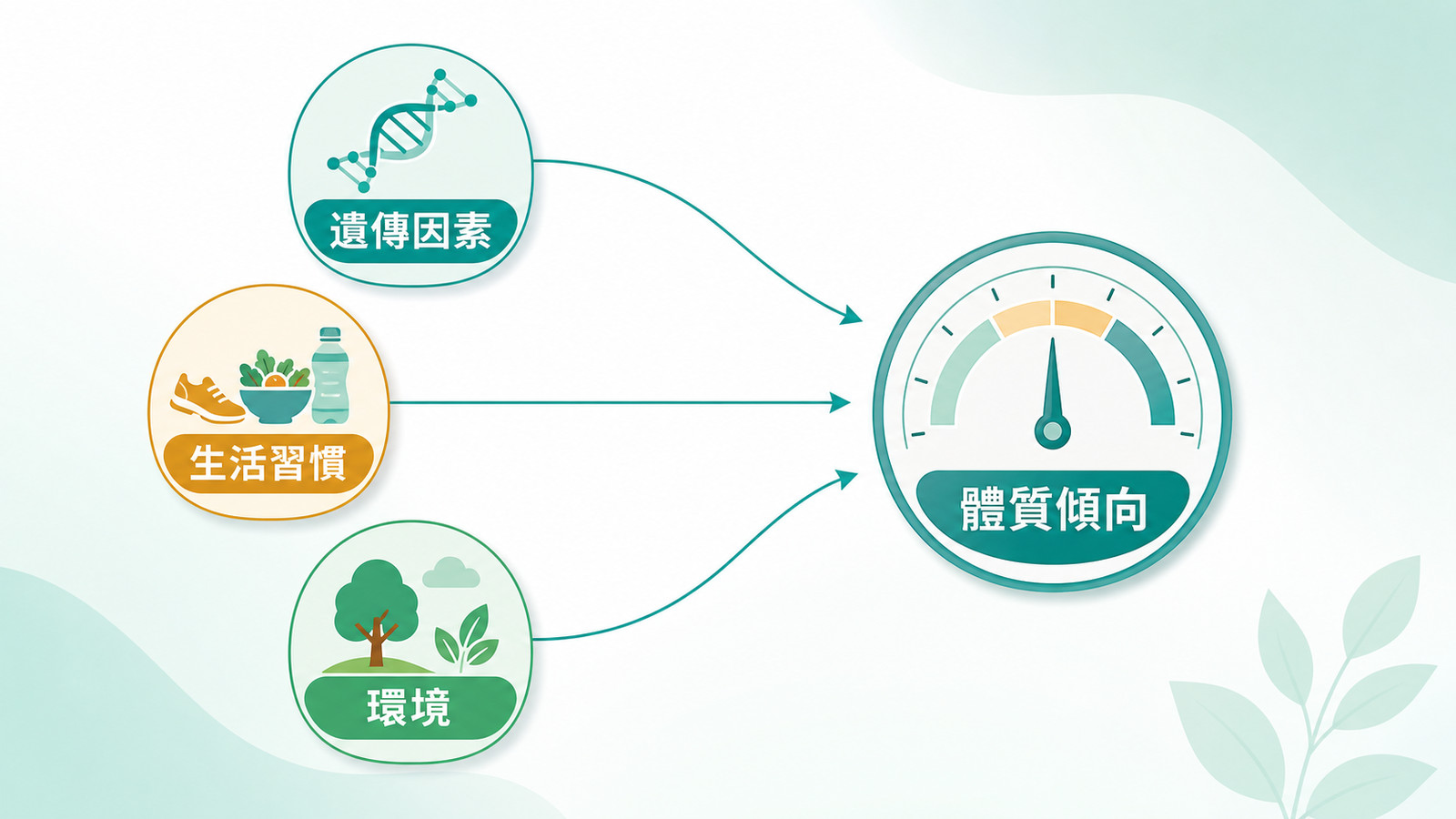
The body does not manage oxidative stress with a single switch. Several teams share the work, while age, diet, lifestyle, and the environment add up to each person’s distinct biological profile. People who search for “cancer risk genes” are usually concerned about this innate foundation, but it is not the entire answer.
Think of a genetic tendency as an indicator light: when it turns on, it reminds you that one area may deserve more attention; it does not say that a problem will definitely occur. Imagine the metabolic teams inside cells as cleaning crews. Some people naturally have more staff and process things smoothly, while others have fewer workers and clear them more slowly.
These all describe tendencies in degree. Knowing them helps organize priorities for daily nutrition. Another topic that examines an innate foundation is cholesterol genetic testing. Before discussing personalization, first consider the foundations everyone can use.
The scientific details: how glutathione, related enzymes, and carotenoids function
Glutathione is part of the body’s balancing system and is synthesized from three amino acids: glutamate, cysteine, and glycine. Multiple nutritional and physiological conditions share the work along the relevant pathways, and the health implications of these pathways have been reviewed comprehensively in the literature (Wu et al., 2004). The body’s management of oxidative stress also involves multiple related enzymes and nutritional conditions rather than one ingredient alone. Carotenoids such as β-carotene, astaxanthin, and lutein are commonly discussed in research on antioxidants and oxidative stress (Fiedor and Burda, 2014; Ambati et al., 2014). β-Carotene can serve as a precursor to vitamin A, while astaxanthin and lutein are xanthophylls and do not follow the same conversion logic. In interpretation, the point is not to draw a conclusion from one gene, but to consider multiple nutritional and genetic tendencies together and organize priorities for everyday nutrition.
Innate Genes and Acquired Factors
What should you eat for everyday antioxidant nutrition?
The first step in everyday wellness is not rushing to find a popular ingredient, but establishing the nutritional foundation in your diet. Meaningful wellness usually comes from the accumulation of long-term diet, lifestyle, and nutritional status, not from one ingredient determining the outcome.
If you then consider supplements, first distinguish the roles of different ingredients. Some are foundational nutrients the body already needs. Vitamins C and E, for example, have clear nutritional relationships with free-radical regulation and oxidative-stress balance. Others—including glutathione, astaxanthin, turmeric, ergothioneine, and CoQ10—are better understood through their ingredient characteristics and research context as complements to everyday wellness.
Because dietary habits, nutritional status, and supplementation needs differ among individuals, BLNC includes those differences in a combined interpretation of overall nutritional tendencies and organizes priorities for supplementation.
How do observational studies differ from clinical trials, and why do whole-food benefits not equal supplement effects?
Associations between fruits and vegetables and overall health markers largely come from observational studies. Researchers observe the diets and subsequent health of large populations and can identify correlations, but cannot exclude the influence of those populations’ lifestyle habits and other background factors, so causation cannot be inferred directly. Randomized controlled trials are needed to establish causation. This is why “the benefits of whole foods” can differ from “the effects of a single-ingredient supplement”: when a nutrient is removed from the food context and used at a high dose, it may not behave the same way. A steadier sequence begins with a balanced diet and then fills nutritional gaps according to individual tendencies, rather than chasing a single ingredient.
Once you know your genetic tendencies, how does BLNC rank priorities?
The sequence is now clear: do not begin by chasing a bottle containing a headline ingredient. Keep the dietary foundation in place, and use genetic tendencies to rank the nutritional areas that merit more attention.
Approaches called “personalized” can differ in depth. One layer consists of acquired routines and diet, which change and can be captured by a questionnaire. Another is the innate genetic foundation, which cannot be seen or changed. BLNC examines an additional genetic profile and includes tendencies visible only through testing in its rankings. BLNC is developed by Insight Genomics Inc., a genetic-testing company built on technology transferred from National Cheng Kung University. Its R&D team uses its own laboratory to oversee every step from specimen handling through analysis. What you ultimately receive is not an incomprehensible report, but an actionable plan of 6 monthly formulas. For the full logic, see the Complete Guide to Precision Nutrition.
Of these 6 formulas, probiotics are fixed and the other 5 are recommended according to genetics—selected by your genes, not an advertisement:
▶ Schedule an oral swab: It takes only a few dozen seconds, involves no blood draw, and can be completed at home, giving you your own report on metabolic and nutrient tendencies.
▶ Receive your personalized monthly formulas: The foundation group and the enhancement group alternate day by day, keeping supplementation steady: each formula is taken every other day and spread evenly across the month, rather than concentrated on a few days with nothing on the others. What you do not need is omitted, so you neither buy too much nor miss the priorities.
Why does “understand tendencies first, then decide what to emphasize” create clearer priorities? The sequence of two-layer interpretation
A one-size-fits-all approach is a major pitfall in everyday supplementation. Copying another person’s list can cause repeated supplementation of the same items or push important priorities to the back. BLNC’s interpretation has two layers. The first examines genetic tendencies related to 22 nutrients; the second incorporates broader genetic tendencies. The two layers are considered together to form your 6 monthly formulas from 11 fixed formulas: 1 probiotic formula is fixed as a gut foundation for everyone, and the other 5 are recommended according to genetics. The schedule alternates two groups day by day: foundational formulas stabilize everyday nutrition, while enhanced formulas give additional attention to areas needing support, keeping supplementation steady: each formula is taken every other day and spread evenly across the month, rather than concentrated on a few days with nothing on the others, forming a 30-day cycle. Genetic tendencies are innate genetic characteristics that do not change, so testing is needed only once. The point is to turn known tendencies into a consistent, actionable monthly plan rather than repeat the test.
If a report highlights a nutritional tendency, what comes next?
One final, often-overlooked point: learning that a nutritional tendency deserves attention does not have to be bad news.
A genetic tendency indicates a degree of predisposition, not destiny. If a variant makes utilization of a nutrient less efficient, it simply reminds you to give those nutrients more attention and prioritize them. Knowing your nutritional tendencies directs effort where it matters and turns “understand tendencies first, then arrange nutrition” into something actionable every month.
BLNC’s Precision Nutrition Approach
We hope you leave with clarity rather than anxiety: genes are the hand you are dealt, lifestyle is how you play it, and everyday nutrition is the part you can actively support each day. Keep your dietary foundation in place, and use genetic tendencies to decide which areas deserve more attention. That is more practical than chasing headline ingredients. You can learn about your genetic tendencies first; the rest accumulates gradually through everyday life.
Of the 6 monthly formulas, everyone receives 1 probiotic formula, while the remaining 5 are selected through your two-layer genetic interpretation. Cover what you need without buying what you do not. To learn which areas you should prioritize, begin with one oral swab and receive your own report on nutrient tendencies.
Genetic testing evaluates genetic tendencies; it is not a disease diagnosis and cannot predict whether you will become ill. Supplements provide nutritional support for everyday wellness; they are not drugs and cannot prevent, improve, or treat any disease. Glutathione, related enzymes, and carotenoids discussed here are included as educational background on nutritional physiology. Astaxanthin, turmeric, ergothioneine, and CoQ10 are ingredient names only and do not imply efficacy. If you have a family history, health concerns, or anxiety about test results, consult a specialist. A physician can evaluate your complete circumstances so you can arrange everyday nutrition with greater confidence and clarity.
Frequently Asked Questions (FAQ)
If my genes suggest that a nutrient-metabolism area needs attention, does that mean I am likely to become ill or develop cancer?
Genetic testing examines tendencies in degree. A related genetic tendency simply indicates that a nutrient deserves more attention, so you can establish the nutritional foundation for daily metabolism. It is not a disease prediction. If you have a family history or concerns, evaluation by a specialist is the most reassuring course.
Are more antioxidant supplements better?
Large trials have found that high doses of single supplements did not provide the expected benefits and even produced adverse safety signals in some study populations (ATBC Study Group, 1994; Klein et al., 2011). These nutrients are better treated as one part of supporting everyday wellness, together with a balanced diet and routine, rather than chasing a high dose of one ingredient.
How should I evaluate glutathione recommendations if the body already manages oxidative stress?
The body does have its own metabolic system, including glutathione and several related enzymes. However, nutritional status differs among individuals, and age, diet, and the environment also contribute, so establishing the everyday foundation remains meaningful. Rather than copying an online list of glutathione recommendations to decide whether you need one particular formula, first understand what testing can show. What Is Glutathione, and Why Is Oral Absorption Debated? explains the issue in more detail. Then arrange daily nutrition according to your own nutritional profile.
References
- The Alpha-Tocopherol, Beta-Carotene Cancer Prevention Study Group. The effect of vitamin E and beta carotene on the incidence of lung cancer and other cancers in male smokers. New England Journal of Medicine. 1994. PMID:8127329
- Klein EA, Thompson IM, Tangen CM, et al.. Vitamin E and the risk of prostate cancer: the Selenium and Vitamin E Cancer Prevention Trial (SELECT). JAMA. 2011. PMID:21990298
- Wu G, Fang YZ, Yang S, Lupton JR, Turner ND. Glutathione metabolism and its implications for health. The Journal of Nutrition. 2004. PMID:14988435
- Fiedor J, Burda K. Potential role of carotenoids as antioxidants in human health and disease. Nutrients. 2014. PMID:24473231
- Ambati RR, Phang SM, Ravi S, Aswathanarayana RG. Astaxanthin: sources, extraction, stability, biological activities and its commercial applications--a review. Marine Drugs. 2014. PMID:24402174
Article tags
Start Your Personalized Nutrition Journey
Discover your unique nutritional needs for more precise supplementation
Start Testing Now